CNC PRECISION MACHINING & PARTS
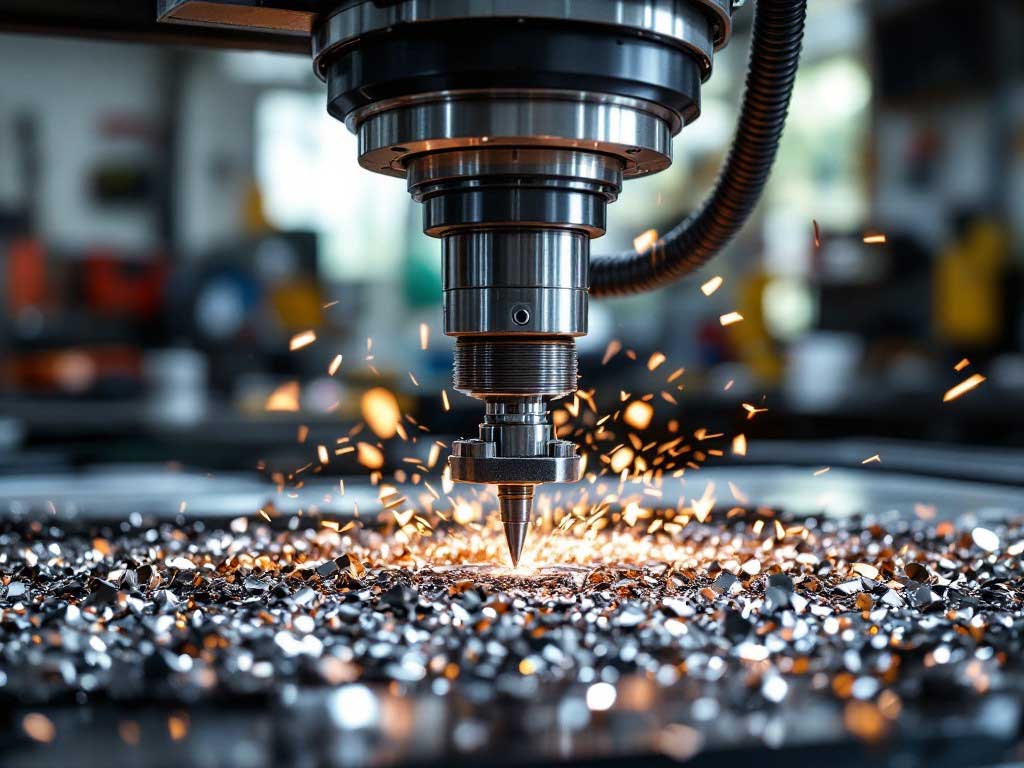
CNC precision machining is a transformative process that turns raw materials into components with exceptional accuracy, often achieving tolerances as tight as 0.0001 inches. This technique is essential in industries like aerospace and medical, where precision is critical. You’re looking at enhanced production efficiency, especially in low-volume runs, which minimizes waste while optimizing cost. Materials such as aluminum, titanium, and plastics are commonly used, ensuring durability and performance. With advancements in automation and IoT integration, accuracy and quality are consistently maintained. There’s so much more to uncover about this technology and its applications.
Table of Contents
Key Takeaways
- CNC precision machining utilizes advanced technology to create parts with tolerances as tight as 0.0001 inches, ensuring high accuracy.
- It supports diverse industries including aerospace, medical, and automotive, producing complex components efficiently and reliably.
- Low volume CNC machining allows for cost-effective production of small batches, offering design flexibility and rapid prototyping capabilities.
- Sustainable practices in CNC machining minimize waste and energy consumption, aligning production with environmental goals.
- Custom CNC solutions enable tailored designs and material selection, enhancing performance for specific project requirements.
Overview of CNC Precision Machining
CNC precision machining fundamentally transforms raw materials into finished products with the utmost accuracy, relying on CAD/CAM blueprints for design specifications. As you engage with this technology, you’ll notice that CNC technology trends are steering the industry toward increased automation and integration with IoT systems. These advancements not only enhance machining process optimization but also address precision machining challenges, such as maintaining tight tolerances and minimizing waste. Additionally, the ability to achieve tolerances as tight as 0.0001 inches greatly improves reliability and safety in critical applications, particularly in sectors like aerospace and medical. By leveraging sustainability practices, CNC automation benefits, you can achieve consistent quality and reduce human error, leading to higher productivity rates. Future machining innovations, including adaptive machining and AI-driven analytics, promise to further refine the process, enabling real-time adjustments based on performance data. As you explore these developments, it is crucial to understand how they can impact your specific applications and workflows.
Ultimately, embracing these trends and innovations allows you to stay competitive in a rapidly evolving market. By focusing on precision machining challenges and optimizing your processes, you can enhance overall efficiency and meet the growing demands for high-quality, intricate designs across various industries.
Characteristics of Machined Parts
Precision is paramount when discussing the characteristics of machined parts, as these components often serve critical functions in various applications. To guarantee these parts meet stringent tolerance standards, you need to focus on machining accuracy throughout the manufacturing process. This accuracy directly impacts how well the part fits into its intended assembly, which is essential for overall functionality. Additionally, implementing advanced techniques such as precision machining methods can greatly enhance the production of high-quality components.
Moreover, the surface finish of machined parts plays a considerable role in their performance and aesthetic appeal. A superior surface finish not only enhances the part’s appearance but also contributes to its durability by reducing wear and tear during operation.
In addition, component durability is a key characteristic that hinges on both material selection and machining processes. Durable components withstand operational stresses, thereby extending their lifespan and reducing maintenance costs.
Low Volume CNC Machining
When you need efficient production of components without the commitment to high-volume runs, low-volume CNC machining stands out as an ideal solution. This method prioritizes cost efficiency by minimizing waste and optimizing production speed, making it suitable for small batches or single parts. You’ll appreciate the design flexibility it offers, allowing for adjustments and iterations based on your specific needs. Additionally, unparalleled accuracy guarantees consistent results, meeting the exacting specifications required for your projects.
With the support of 3D CAD engineers, you can enhance part designs for improved durability and accuracy. Material selection is essential, as you can choose from various alloys like titanium or stainless steel, guaranteeing the final product meets your exact specifications. This process doesn’t compromise on quality assurance; advanced CNC machines deliver precision that adheres to tight tolerances.
Low-volume CNC machining proves to be an effective strategy, especially when you require expert precision in components like threaded rods. It combines competitive costs with best-in-class lead times, guaranteeing that you receive high-quality parts tailored to your project requirements without the burden of high-volume commitments. This approach streamlines your production while maintaining exceptional standards.
Applications of CNC Machining
The versatility of CNC machining extends across multiple industries, showcasing its applicability in sectors such as aerospace, medical, and automotive. You’ll find CNC automation benefits driving efficiency and reducing production times, allowing for rapid manufacturing of complex components. In aerospace, precision tooling advancements guarantee parts meet stringent safety and performance standards, while the medical industry relies on CNC machining for intricate devices and implants that demand high precision. Moreover, precision in aerospace CNC machining is critical for guaranteeing components like fuselage and landing gear adhere to strict safety specifications.
As businesses seek to adopt machining sustainability practices, CNC technology offers solutions that minimize waste and energy consumption, aligning production with environmental goals. Additionally, software integration trends enhance the capabilities of CNC machines, enabling real-time monitoring and adjustments that optimize performance and accuracy.
Looking ahead, future machining innovations are likely to include developments in additive manufacturing and hybrid machining techniques, expanding the possibilities of design and material usage. By leveraging these advancements, you can stay competitive, producing high-quality parts that meet the evolving demands of various sectors. Each application of CNC machining underscores its critical role in modern manufacturing, reflecting its adaptability and precision.
CNC Machining Technologies
CNC machining technologies have revolutionized the manufacturing landscape, providing tools and methods that enhance efficiency and accuracy. You’ll find that CNC advancements have greatly improved the capabilities of machining equipment, allowing for intricate designs and tighter tolerances. Automation integration plays an essential role in these technologies, enabling machines to operate with minimal human intervention, thereby reducing production time and errors.
Machining software is vital in programming CNC machines, allowing you to create precise specifications and simulate machining processes before actual production. This software enhances the ability to visualize and optimize designs, guaranteeing that your parts meet exact criteria. Precision tooling complements these technologies, as specialized tools are designed for specific tasks, leading to improved surface finishes and longer tool life.
Moreover, sustainable practices are increasingly becoming part of CNC machining technologies. By utilizing advanced techniques and materials, you can reduce waste and energy consumption, leading to a more environmentally friendly manufacturing process. This integration of technology and sustainability guarantees that you stay competitive while contributing positively to environmental goals.
Industries Utilizing CNC Machining
Several industries leverage CNC machining for its unmatched precision and efficiency. From automotive advancements to medical devices, CNC machining stands at the forefront of innovation. Here are four key industries utilizing this technology:
- Automotive Advancements: CNC machining produces precision components essential for modern engines, enhancing performance and fuel efficiency.
- Aerospace Innovations: In the aerospace sector, CNC machines create complex parts that meet strict safety and performance standards, vital for aircraft reliability.
- Medical Devices: The medical industry relies on CNC machining to manufacture intricate surgical instruments and implants, ensuring high standards of precision for patient safety.
- Consumer Electronics: From smartphones to gaming consoles, CNC machining shapes the intricate parts that keep consumer electronics cutting-edge and reliable.
Additionally, energy solutions benefit from CNC machining, producing components for renewable energy systems and enhancing efficiency. By employing CNC technology, these industries can achieve tighter tolerances and superior surface finishes, leading to higher quality and durability in their products. The versatility of CNC machining makes it indispensable across these sectors, driving progress and innovation.
Benefits of Precision Machining
Precision machining offers a multitude of benefits that enhance manufacturing processes across various industries. One of the most notable advantages is cost efficiency. By minimizing waste and optimizing production processes, you can reduce operational costs while maintaining high standards. Design flexibility is another key benefit; CNC technology allows you to produce complex geometries and customize parts to meet specific requirements without extensive retooling.
In addition, precision machining greatly increases production speed. Automated processes streamline workflows, enabling you to meet tight deadlines without sacrificing quality. This leads to improved quality assurance as advanced equipment and rigorous testing protocols guarantee that each part meets strict specifications.
Moreover, precision machining supports sustainability practices. By using materials more efficiently and reducing scrap, you contribute to environmentally friendly manufacturing processes. This not only enhances your brand image but also aligns with modern industry standards focused on sustainability.
Together, these benefits of precision machining create a compelling case for its adoption in your manufacturing operations, making it an invaluable asset for achieving operational excellence and competitive advantage.
Materials Used in CNC Parts
Choosing the right materials for CNC parts is vital to achieving the desired performance and durability. The selection process can greatly impact the final product’s strength, weight, and resistance to wear. For instance, utilizing high-performance components crafted from alloy steel can enhance the overall durability and reliability of CNC machined parts. Here are some commonly used materials in CNC machining:
- Aluminum Alloys: Lightweight and corrosion-resistant, aluminum alloys are ideal for applications requiring good strength-to-weight ratios.
- Titanium Components: Known for their exceptional strength and low density, titanium components are perfect for aerospace and medical applications where performance is essential.
- Stainless Steel: With excellent corrosion resistance and strength, stainless steel is often used in industries that demand durability, like automotive and food processing.
- Composite Materials: These materials combine different substances to enhance properties, making them suitable for specialized applications where weight and strength are vital.
Additionally, plastic machining is gaining popularity for producing lightweight parts that require complex shapes. By carefully selecting the right materials, you guarantee that your CNC parts meet the specific demands of your project while maintaining the necessary performance characteristics.
Custom CNC Machining Solutions
When it comes to meeting specific project requirements, custom CNC machining solutions offer unparalleled flexibility and precision. You can achieve exceptional machining accuracy through tailored designs that address your unique needs. Whether you’re looking for rapid prototyping or material selection, these solutions enable you to optimize costs while maintaining high standards.
Here’s a quick overview of the key aspects of custom CNC machining:
| Feature | Description | Benefits |
|---|---|---|
| Custom Design | Tailored to specific project needs | Meets exact specifications |
| Rapid Prototyping | Quick turnaround for initial samples | Accelerates product development |
| Cost Optimization | Efficient use of materials | Reduces overall project costs |
| Material Selection | Variety of materials available | guarantees compatibility and durability |
| Machining Accuracy | High precision in part production | Assures performance reliability |
Industry Leaders in CNC Machining
In the competitive landscape of CNC machining, industry leaders distinguish themselves through a combination of advanced technologies, extensive service offerings, and a commitment to quality. You’ll find that they embrace emerging technologies and adapt to market trends, ensuring they remain at the forefront of innovation. Here are four key attributes that set them apart:
- Quality Assurance: They enforce strict quality control measures, ensuring every part meets exacting standards.
- Sustainability Practices: Industry leaders implement eco-friendly processes, minimizing waste and energy consumption, which appeals to environmentally conscious customers.
- Workforce Development: Investing in training programs helps them cultivate skilled labor, maintaining a competitive edge in precision machining.
- Technological Integration: Utilizing automation and advanced software enhances efficiency and accuracy, allowing for quicker turnaround times on complex projects.
Customer Engagement Strategies
Engaging customers effectively in CNC machining involves leveraging targeted strategies that foster strong relationships and enhance satisfaction. One vital method is actively seeking customer feedback through surveys and direct communication. This data not only informs your service enhancements but also shows your commitment to continuous improvement. Additionally, incorporating technological advancements in your engagement methods can streamline processes and increase client satisfaction.
Utilizing engagement tools, such as CRM systems, helps streamline interactions and track customer preferences, allowing for personalized communication strategies. Regular updates about new capabilities and technologies can keep clients informed and involved in the process.
Implementing loyalty programs can incentivize repeat business, rewarding customers for their ongoing partnership. This not only builds trust but also establishes a long-term relationship with your clients.
Moreover, make sure that all communication is clear and responsive. Quick response times to inquiries can greatly impact customer satisfaction. By integrating these strategies, you create an environment where customers feel valued and connected.
Ultimately, a thorough approach that combines customer feedback, engagement tools, loyalty programs, and effective communication strategies will help you foster a robust customer base in the CNC machining sector, driving both satisfaction and retention.
Conclusion
In the dynamic landscape of CNC precision machining, your ability to harness cutting-edge technologies and materials can set you apart. Imagine transforming raw materials into intricate parts that drive industries forward. By embracing custom solutions and understanding the nuances of machining, you not only enhance product performance but also position yourself at the forefront of innovation. As you navigate this domain, remember: the precision you achieve today lays the foundation for the breakthroughs of tomorrow.