Cold forging is a precise metal shaping process conducted at room temperature. You shape metal slugs using hydraulic, pneumatic, or mechanical forces, enhancing their mechanical properties. This technique allows you to produce parts rapidly, with rates ranging from 50 to over 450 per hour. By using lubricants, you minimize friction and prevent sticking, which improves surface finish and die life. Cold forging is versatile, accommodating various metals with a Rockwell hardness of 44 HRC or lower. Its efficiency and cost-effectiveness make it ideal for high-volume production. Discover the various methods and applications to understand its full potential.
Table of Contents
Key Takeaways
- Cold forging is a manufacturing process that shapes metal slugs at room temperature using compressive forces.
- The process typically utilizes hydraulic, pneumatic, or mechanical systems to deform the metal.
- Lubricants are employed to reduce friction, prevent sticking, and enhance surface finishes during forging.
- Cold forging is known for its cost-effectiveness, producing parts with minimal waste and high dimensional accuracy.
- It is commonly used in various industries, including automotive, aerospace, and medical, for high-strength components.
Understanding Cold Forging

Understanding cold forging involves recognizing it as a highly efficient metal shaping process that operates at room temperature. This technique deforms a metal workpiece, enhancing its mechanical properties while minimizing waste. In the cold forging process, a metal slug or blank is placed between two dies. Hydraulic, pneumatic, or mechanical forces then strike the workpiece, achieving the desired shape with remarkable precision. The benefits of cold forging extend beyond just efficiency, as it also contributes to improved material strength and surface finish.
The manufacturing speed of cold forging is one of its standout features. You can produce between 50 to over 450 parts per hour, depending on the complexity and specifications of the workpiece. This rapid output makes cold forging a cost-effective solution for high-volume production, particularly in industries that demand consistent quality and performance.
Lubrication plays a critical role in the cold forging process. It helps prevent the workpiece from sticking to the dies, allowing for smoother operation and a cooler working environment. This not only enhances the surface finish of the fabricated parts but also extends die life, contributing to overall efficiency.
Cold forging is versatile, suitable for a wide range of metals including hard materials like stainless steel and softer options like brass, as long as they maintain a Rockwell hardness of 44 HRC or lower. This adaptability guarantees that the cold forging process can meet diverse manufacturing needs while delivering high-quality results in both strength and accuracy.
The Cold Forging Process
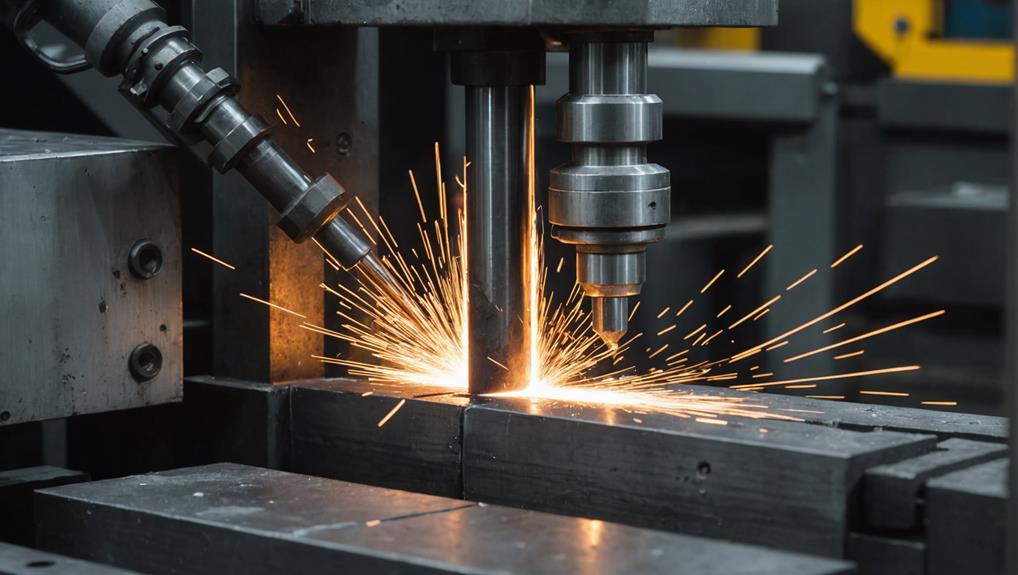
The cold forging process transforms metal slugs or blanks into precise components through the application of compressive forces at room temperature. This method utilizes hydraulic, pneumatic, or mechanical mechanisms to deform the workpiece, achieving the desired shape while enhancing its strength and durability. Cold forging components are known for their enhanced mechanical properties, making them ideal for various applications. During the cold forging process, metal is fed into a forging machine, where it undergoes a series of strokes that effectively shape it into the final part.
To maintain peak performance, lubricants are applied throughout the cold forging process. These lubricants prevent sticking to the dies and help control the temperature of the workpiece, ensuring smooth operations. The use of lubricants not only minimizes friction but also contributes to the overall efficiency of the process.
After the shaping is completed, automated part removal systems are commonly employed. This technology enhances efficiency and greatly reduces labor costs by swiftly extracting the finished components from the forging machine. While the primary shaping occurs during cold forging, the parts may undergo additional processes, such as trimming, to meet specific dimensional requirements or features necessary for various applications.
Benefits of Cold Forging
Benefits of Cold Forging
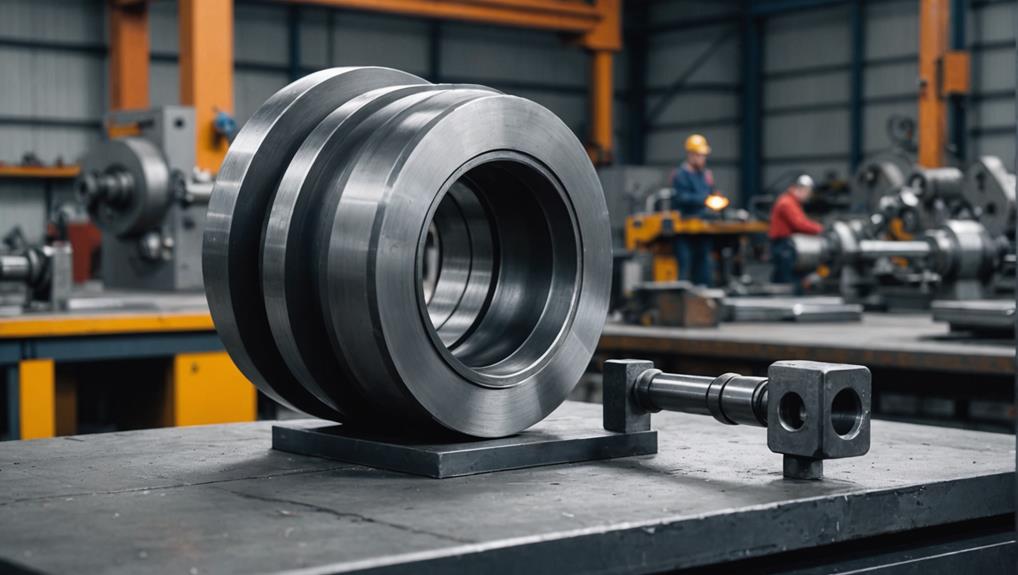
Leveraging its unique characteristics, cold forging offers numerous benefits that make it a superior choice for manufacturing metal components. One of the most significant advantages is its cost-effectiveness. By utilizing cold forging, you can achieve material savings of up to 70% compared to traditional machining methods. This efficiency directly impacts your bottom line, allowing for higher profit margins. Furthermore, die forgings are known for their strength and durability, which enhances the overall performance of the components produced exploring die forgings.
The process of cold forging also enables rapid production, with automated systems capable of producing between 50 to over 450 finished parts per hour. This high throughput is particularly beneficial in meeting demanding production schedules and fulfilling large orders. Additionally, cold forging enhances the yield and tensile strength of metal, making the components stronger and more durable, which is essential for high-stress applications where reliability is paramount.
Another notable benefit is the minimal finishing required after cold forging. This not only reduces overall production costs and time but also guarantees high dimensional accuracy, which is vital for components that need to fit precisely in assemblies. In addition, the environmental impact of cold forging is minimal, as it generates little waste by producing parts with little to no excess material. The recyclable flash material further contributes to sustainability, making cold forging an environmentally friendly manufacturing option.
Comparing Hot and Cold Forging
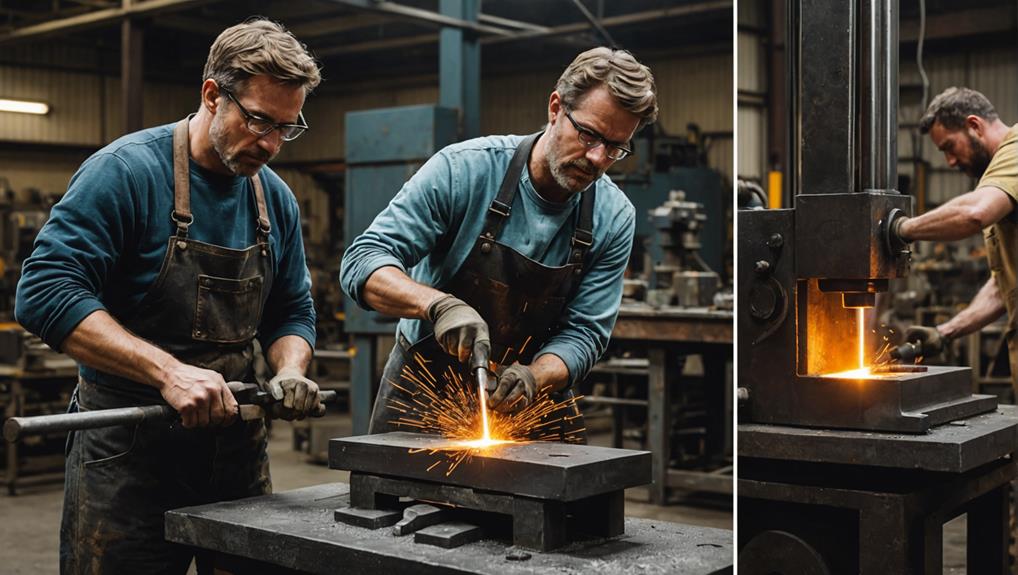
Comparing hot and cold forging reveals distinct advantages and limitations that can greatly influence manufacturing decisions. Both processes serve unique purposes in metalworking, but they differ considerably regarding mechanical properties, dimensional accuracy, and production rates.
| Feature | Cold Forging | Hot Forging |
|---|---|---|
| Temperature | Room temperature | Above recrystallization temperature |
| Mechanical Properties | Enhanced yield strength and durability | Improved ductility and malleability |
| Dimensional Accuracy | Higher precision, superior surface finish | Lower precision due to thermal expansion |
In cold forging, the metal is shaped at or near room temperature, leading to increased strength through work hardening. This results in parts that exhibit exceptional dimensional accuracy, reducing the need for finishing operations. Conversely, hot forging requires heating the metal, which allows for complex shapes but can introduce variability in dimensional accuracy due to thermal expansion and contraction.
Production rates also vary considerably between the two methods. Cold forging can produce between 50 to over 450 parts per hour, making it particularly efficient for high-volume applications. On the other hand, hot forging often incurs longer cycle times due to the heating and cooling processes, which can slow down production.
Ultimately, your choice between cold and hot forging will depend on the specific requirements of your project, including the desired mechanical properties, precision, and production efficiency.
Common Cold Forging Methods
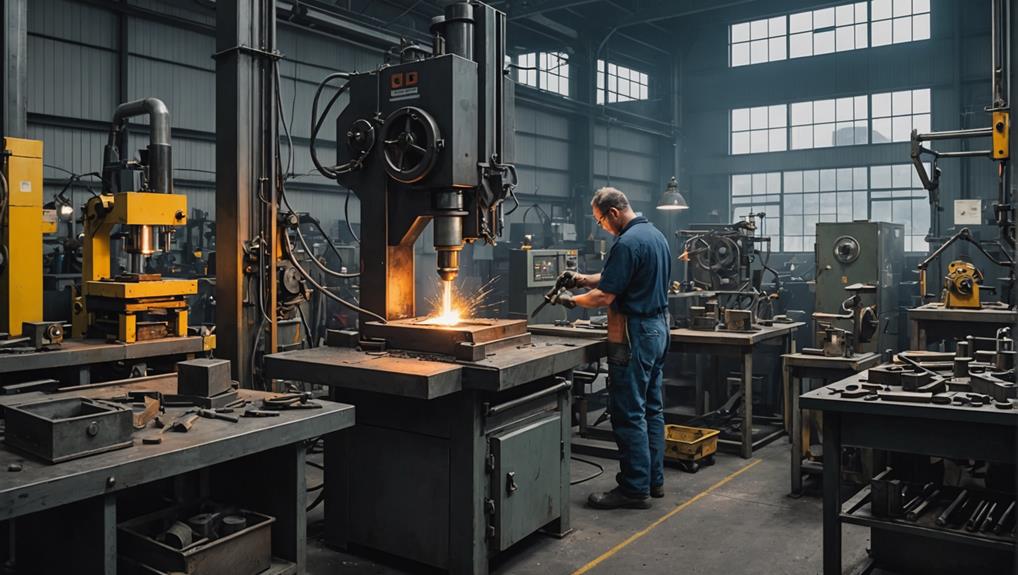
Cold forging employs several methods to efficiently shape metal at room temperature, with open-die and closed-die forging being the primary techniques. In open-die forging, the workpiece is deformed between flat dies, allowing for simpler shapes and larger components. This method is particularly useful for larger parts where precision is less significant. Conversely, closed-die forging involves shaping the workpiece within a die cavity, which enables the formation of more complex geometries and tighter tolerances, making it ideal for intricate components.
Several common cold forging techniques are utilized, including heading, extrusion, and rolling. In heading, the end of a metal rod is formed into a specific shape, often used for fasteners. Extrusion forces metal through a die, producing long, uniform shapes, while rolling reduces the thickness of metal by passing it through rollers. Each method has its advantages depending on the desired final shape and material properties.
To enhance the cold forging process, lubricants play an important role. They minimize friction and prevent sticking between the workpiece and die, which is essential for achieving high-quality finishes. Additionally, automation is increasingly integrated into cold forging operations. This allows for the efficient production of high quantities of parts, with rates varying from 50 to over 450 parts per hour, depending on complexity. By employing these methods and technologies, cold forging effectively meets diverse manufacturing needs across various industries.
Cold Forging Equipment
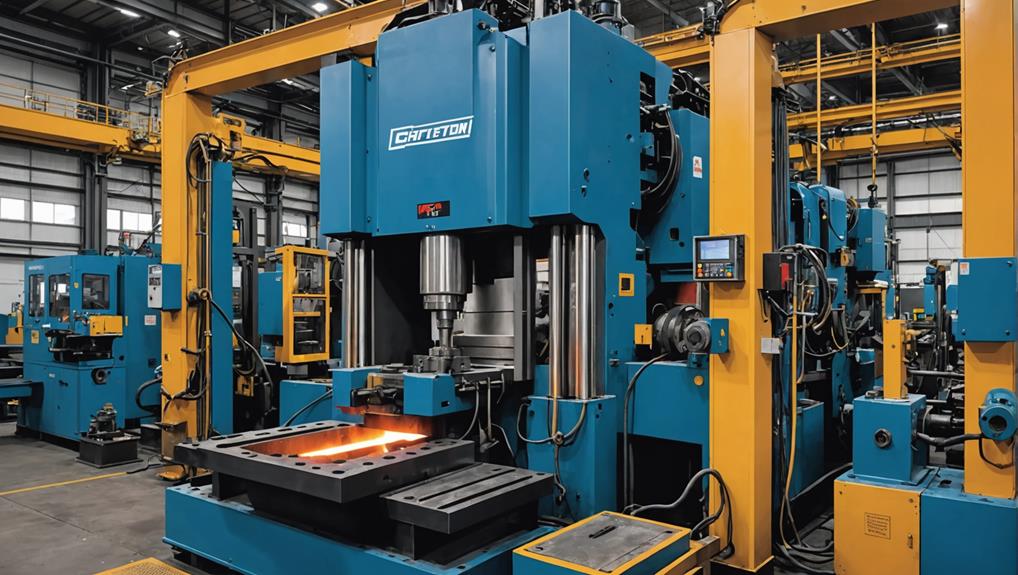
In the domain of metal shaping, cold forging equipment plays an essential role in achieving high-efficiency production. This equipment is designed to apply compressive forces to shape metal workpieces at room temperature, maintaining precise tolerances and surface quality. The main types of cold forging equipment include hydraulic die forging hammers, high-speed presses, and pneumatic power presses, each serving distinct functions in the forging process.
| Equipment Type | Functionality |
|---|---|
| Hydraulic Die Forging Hammers | Deliver powerful strikes for intricate shapes |
| High-Speed Presses | Maintain high production rates with precise forming |
| Pneumatic Power Presses | Utilize compressed air for efficient shaping |
Hydraulic die forging hammers excel in creating complex geometries due to their ability to deliver controlled and powerful impacts. On the other hand, high-speed presses, specifically C frame types, are favored for their capacity to produce parts quickly while ensuring high accuracy. Pneumatic power presses leverage compressed air to generate the necessary force for shaping, making them versatile for various cold forging applications.
Moreover, integrating automation technologies into cold forging equipment greatly boosts production efficiency. Automation reduces labor costs and enhances quality consistency across finished parts. By utilizing advanced controls and monitoring systems, you can achieve ideal performance and reliability in your cold forging operations. Understanding these equipment types and their functions is crucial for improving your cold forging processes.
Types of Forged Metals
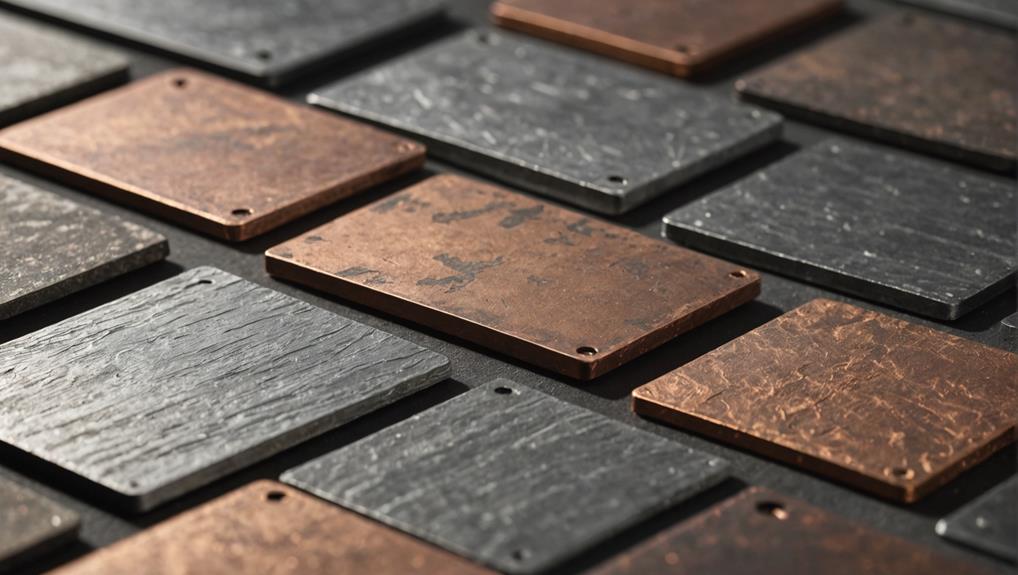
Various metals can be effectively utilized in cold forging, each offering distinct properties that enhance the performance of the final product. Cold forging primarily employs hard metals, which include carbon steel and alloy steel. These materials are preferred for their superior strength and durability. Carbon steel, known for its excellent hardness and tensile strength, is particularly advantageous in applications requiring high resilience under stress. Additionally, the forging process can considerably improve the material properties of aluminum, making it a versatile option for various applications in the manufacturing industry, especially in the art of aluminum forging techniques.
In addition to hard metals, cold forging also accommodates soft metals such as aluminum, brass, copper, silicon, and magnesium. While these materials possess lower yield strengths compared to hard metals, they offer advantages such as improved machinability and weight reduction. Soft metals can be cold forged into intricate shapes and are often used in applications where lightweight components are essential.
One vital factor in selecting metals for cold forging is their hardness. The metals must possess a Rockwell hardness of 44 HRC or lower to guarantee effective deformation without fracturing during the process. This requirement expands the range of suitable materials, accommodating various alloy compositions that can enhance specific attributes, such as corrosion resistance or conductivity.
Ultimately, the choice between hard and soft metals in cold forging hinges on the mechanical requirements of the end product. Understanding the distinct properties of these metals enables you to make informed decisions, guaranteeing that the final components meet the necessary performance criteria for their intended applications.
Cold Forging Applications

The choice of metals in cold forging directly influences its applications across multiple industries. This process excels in producing cold forged parts that require high-strength components and exceptional dimensional accuracy. In particular, the automotive sector relies heavily on cold forging to create gears, fasteners, and brackets, leveraging the enhanced mechanical properties achieved through work hardening at room temperature.
The aerospace industry also benefits from cold forging techniques, manufacturing intricate parts like fittings and connectors that demand high precision and reduced weight. In agriculture, cold forged products such as plowshares and cultivator tines are favored for their durability and wear resistance, greatly improving the efficiency of farming equipment.
Moreover, the medical field utilizes cold forging to produce surgical instruments and implants requiring high strength and dimensional accuracy, ensuring safety and effectiveness. Finally, the oil and gas industry utilizes cold forging for creating robust components like valve bodies and pipeline stems, which must maintain integrity and reliability under extreme conditions.
| Industry | Application |
|---|---|
| Automotive | Gears, fasteners, brackets |
| Aerospace | Fittings, connectors, structural parts |
| Agriculture | Plowshares, cultivator tines |
| Medical | Surgical instruments, implants |
| Oil & Gas | Valve bodies, pipeline stems |
Through these diverse applications, cold forging proves its versatility and effectiveness, making it an indispensable method for producing high-performance components across various sectors.
Materials Suitable for Cold Forging
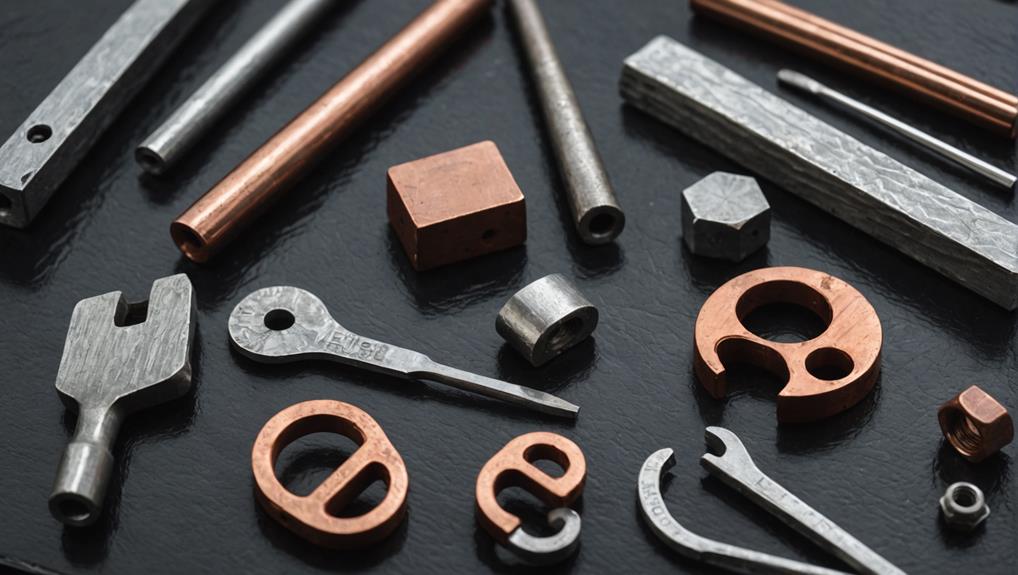
Choosing the right materials for cold forging is essential for achieving ideal performance and durability in finished components. Cold forging excels with a variety of hard metals, including carbon steel, alloy steel, and stainless steel, provided their Rockwell hardness doesn’t exceed 44 HRC. These materials undergo work hardening during the forging process, enhancing their strength while allowing for precise dimensional control. Additionally, cold forging can lead to improved surface finish and reduced machining time, making it an efficient choice for manufacturers understanding hot vs. cold forging.
Soft metals like aluminum, brass, copper, silicon, and magnesium also lend themselves well to cold forging due to their inherent malleability at room temperature. These metals can be shaped effectively, ensuring that the integrity of the material is maintained. When you select soft metals, you benefit from their ability to produce lightweight components that are still robust enough for demanding applications.
The cold forging process is particularly advantageous when producing automotive parts, as it allows for high volumes of components to be manufactured efficiently. This technique minimizes waste and reduces finishing requirements, resulting in cost-effective production. You can create components ranging from a few ounces to several thousand pounds, showcasing the versatility of cold forging in various industries.
Production Volume Considerations
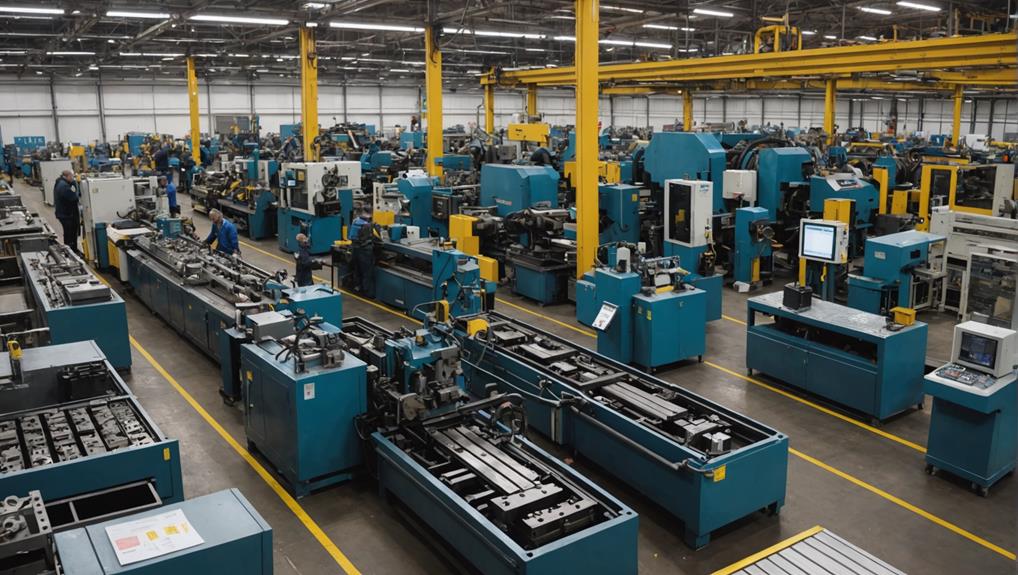
Maximizing production efficiency is a key advantage of cold forging, particularly for high-volume runs. This process excels in producing between 50 to over 450 parts per hour, depending on the complexity and design of the components. Such efficiency makes cold forging a preferred method for industries that require consistent high production volume, like automotive and aerospace.
Automation plays an essential role in enhancing production speed and consistency. By integrating automated systems, you can achieve rapid manufacturing with minimal labor costs, allowing for uninterrupted runs. This setup not only increases output but also guarantees uniformity across all produced parts, which is critical in maintaining quality standards.
Another significant benefit of cold forging is its ability to minimize material waste. Compared to traditional machining methods, cold forging can save up to 70% in material usage, which is particularly advantageous in high-volume production scenarios. The process optimizes the material used, leading to reduced expenses and environmental impact.
Moreover, cold forging can efficiently handle both small and large production quantities. Whether you’re running a short batch or a mass production line, this method adapts well to your needs without sacrificing quality. With the right equipment and techniques, you can leverage cold forging to meet your production goals while keeping costs low and minimizing waste. Overall, the production volume considerations in cold forging underline its effectiveness as a manufacturing solution for various industries.
Lubricants Used in Cold Forging

Effective lubrication in cold forging is essential for achieving ideal results in the metal shaping process. The right lubricants play an important role in preventing sticking between the workpiece and the die, which guarantees a smooth and efficient forming process. By minimizing friction, these lubricants help maintain the integrity of the material while facilitating the required deformation.
You’ll encounter several types of lubricants in cold forging, including mineral oil-based, vegetable oil-based, synthetic, water-based, and graphite-based variants. Each lubricant offers specific advantages tailored to different forging applications. For instance, synthetic lubricants often provide superior lubrication properties and temperature resistance, while vegetable oil-based options are more environmentally friendly.
Proper application of lubricants not only reduces friction but also aids in dissipating heat generated during the deformation process. This thermal management is essential for maintaining the dimensional stability of the forged components, guaranteeing they meet precise specifications. Additionally, effective lubrication can enhance the lifespan of the dies used in cold forging by minimizing wear and tear caused by constant friction.
The choice of lubricant greatly impacts the overall quality of the forged parts. A well-selected lubricant can improve surface finish, leading to components that require less post-processing. Ultimately, understanding the role of lubricants in cold forging is fundamental to optimizing production efficiency and achieving high-quality results in your metalworking endeavors.
Frequently Asked Questions
How Does Cold Forging Work?
Cold forging works by applying compressive forces to metal at room temperature, shaping it through a die. This process enhances strength and precision while minimizing waste and reducing the need for extensive finishing.
What Are the Disadvantages of Cold Forging?
While cold forging might seem ideal, you’re facing challenges like limited customization, residual stress risks, and material limitations. If not managed carefully, these factors can lead to defects, impacting your project’s success and overall cost.
Is Cold Forging the Strongest?
Yes, cold forging typically produces stronger components than other methods due to work hardening. This process aligns the metal’s grain structure, enhancing yield and tensile strength, making it ideal for high-stress applications in various industries.
What Metal Is Best for Cold Forging?
Which metal can withstand intense pressure while retaining strength? You’ll find carbon steel, alloy steel, and stainless steel excel in cold forging, providing exceptional durability, high strength, and versatility across various applications in demanding environments.